
A common model, a different menu: novel foods in Türkiye
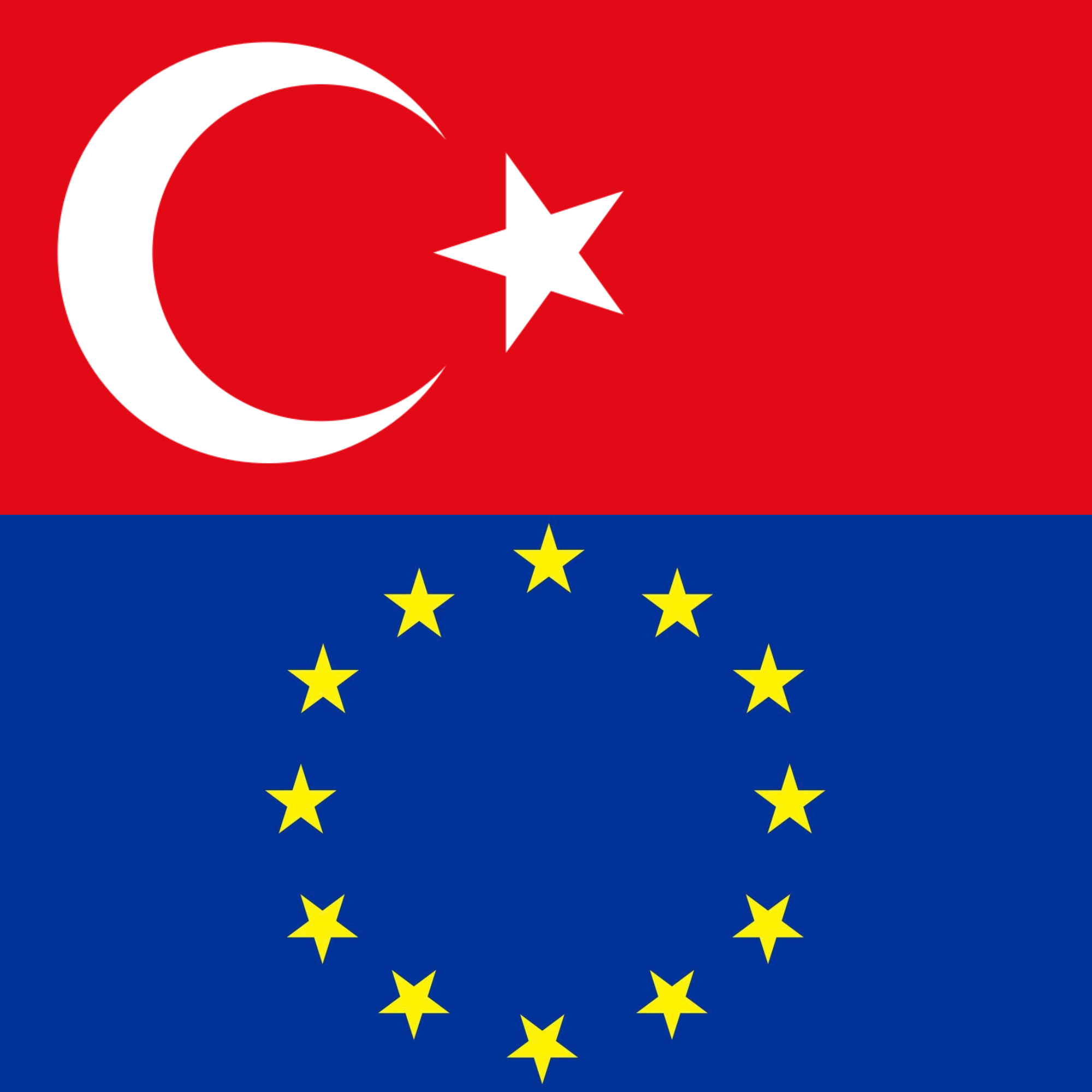
by Valeria Paganizza
Türkiye is among the countries close enough to the European Union to have begun accession negotiations, yet distant enough for those negotiations to have stalled. Among the areas of progressive convergence, food law deserves particular attention: despite some differences, Turkishl egislation is gradually aligning with EU law. In this respect, 2026 has undoubtedly marked an important milestone. In May this year, Türkiye adoptedthe Turkish Food Codex Regulation on Novel Foods, governing the placing of novel foods on the market.
There are numerous similarities with Regulation(EU) 2015/2283.
First, its rationale: as in EU legislation, theTurkish legislature seeks to ensure a high level of protection of human health and consumers’ rights (Article 1).
Second, its scope: additives, flavourings, enzymes and extraction solvents are excluded (Article 2).
Third, the structure of the definition of a novel food, although there are significant differences, particularly in the date that draws the dividing line between what is “novel” and what is not. In the European Union, as is well known, this date was originally set by reference to the entry into force of the first Novel Foods Regulation (Regulation (EC) No258/97), and the subsequent 2015 Regulation retained 15 May 1997 as thecut-off date. In Türkiye, classification of a food as “novel” is subject to two conditions. The first requires that the food was not used for human consumption to a significant degree in Türkiye before 31 December 2025. The second requires it to fall within one of the categories listed in the Regulation: foods with a new or intentionally modified molecular structure; foods consisting of, isolated from or produced from microorganisms, fungi or algae; foods consisting of, isolated from or produced from material of mineral origin; foods consisting of plants or their parts, except for foods with a history of safe use in Türkiye and consisting of, isolated from or produced from plants or a variety of the same species obtained by traditional propagating practices used for food production before 31 December 2025, or by non-traditional propagating practicesnot used for food production before 31 December 2025, where those practices do not give rise to significant changes in the composition or structure of the food affecting its nutritional value, metabolism or level of undesirable substances; foods consisting of, isolated from or produced from animals or their parts, except for animals reared using traditional breeding practices used for food production in Türkiye before 31 December 2025; foods consisting of, isolated from or produced from cell cultures or tissue cultures derived from organisms such as plants or microorganisms; foods resulting from a production process not used for food production in Türkiye before 31 December 2025, which gives rise to significant changes in the composition or structure of the food affecting its nutritional value, metabolism or level of undesirable substances; foods consisting of engineered nanomaterials; vitamins, minerals and other substances falling within the scope of the Turkish Food Codex Regulation on the addition of vitamins and minerals and of certain other substances to foods, the Turkish Food Codex Regulation on foods for infants and young children and the total diet replacement for weight control, and the specific provisions on food supplements, where a production process, not used for food production in Türkiye before 31 December 2025, which gives rise to significant changes in its composition or structure affecting its nutritional value, metabolism or level of undesirable substances, has been applied, or where they contain or consist of engineered nanomaterials; and foods used exclusively in food supplements in Türkiye before 31 December 2025, where they are intended to be used in foods other than food supplements.
The Ministry of Agriculture and Forestry is responsible for authorisation and for including foods in the relevant list, which will also specify their conditions of use. Similarly to the European Union, inclusion in the list is subject to the following requirements: the food must be safe; the consumer must not be misled, [the EU Regulation uses the adverb “particularly”] where the novel food is intended to replace another food and entails a significant change in nutritional values; and, where it is intended to replace another food, it must not differ in such a way that its consumption would be nutritionally disadvantageous for the consumer (Article7).
One of the main differences between the new Turkish Regulation and EU legislation is that the former excludes the possibility of submitting applications for the authorisation of foods derived from pigs or insects. Although the Turkish provision does not explain the reason for this exclusion, the first reports available online attribute the decision to the particular religious and cultural sensitivities of Turkish consumers. The same approach has also recently been adopted in the new rules on food flavourings (Official Gazette No 33370 of 14 September 2026), which prohibit the use of flavourings or food ingredients with flavouring properties derived from pigs or insects (Article 5(1)(d)).
Whereas, in the European Union, the Commission may request an opinion from EFSA, under the Turkish system the Directorate-Generalof the Ministry of Agriculture and Forestry must request an opinion from the scientific committee. The draft opinion is then made available for public consultation, during which interested parties may submit comments to the scientific committee. The committee subsequently sends its final opinion to the Directorate-General.
The scientific opinion is only one of the elements that the Directorate-General considers for the purposes of authorisation. Article 11 also extends the assessment to the conditions laid down in Article7(1), legislative provisions, including the precautionary measures under Article 26 of Law No5996/2010, and matters governed by other legislative provisions relevant to the application under assessment.
As in the European Union, a specific procedure is available for traditional foods from third countries as an optional alternative to the standard procedure. The process begins with a notification to the Directorate-General, which, after checking its validity, requests an opinion from the scientific committee on any possible objections concerning the safety of the food. The draft opinion is made available for public consultation. The scientific committee’s final opinion is then sent to the Directorate-General. If it contains no objections, the Directorate-General arranges for the traditional food from a third country to be included in the list of novel foods. If objections are raised, inclusion in the list is not authorised, but the applicant retains the possibility of submitting an application for authorisation under the specific procedure described in Article 15.
The provisions on the confidentiality of certain information (Article 22), monitoring (Article 23) and data protection (Article25), including the exclusion of traditional foods from third countries from eligibility for data protection, are also similar to those of the European Union.
The close correspondence between Turkish legislationand EU law, subject to limited exceptions, stems from the deliberate alignment of the former with the latter, as specified in Article 29.
The new Turkish rules thus confirm the EU model’s capacity to shape food regulation beyond the Union’s borders. Alignment, however, does not entail complete convergence in legislative choices: substantial similarities in definitions, procedures and safeguards coexist with differences that directly affect market access.
The exclusion of applications concerning foods derived from pigs or insects is particularly significant in this respect. By preventing the procedure from being initiated, it removes these products from the individual assessment provided for other novel foods. The selection of food spotentially eligible for authorisation therefore precedes the examination of their safety and reflects a legislative choice independent of scientific assessment.
The comparison thus shows how the adoption of a common regulatory framework can coexist with the preservation of decisive national specificities. For operators, similar rules do not necessarily mean identical commercial opportunities; for legal scholars, they invite a distinction between convergence in regulatory instruments and convergence in the choices that determine their application.